Examining Location-Dependent Elements in Athletic Performance Forecasts Across Disciplines
Olivia Coleman · Aug 22, 2026
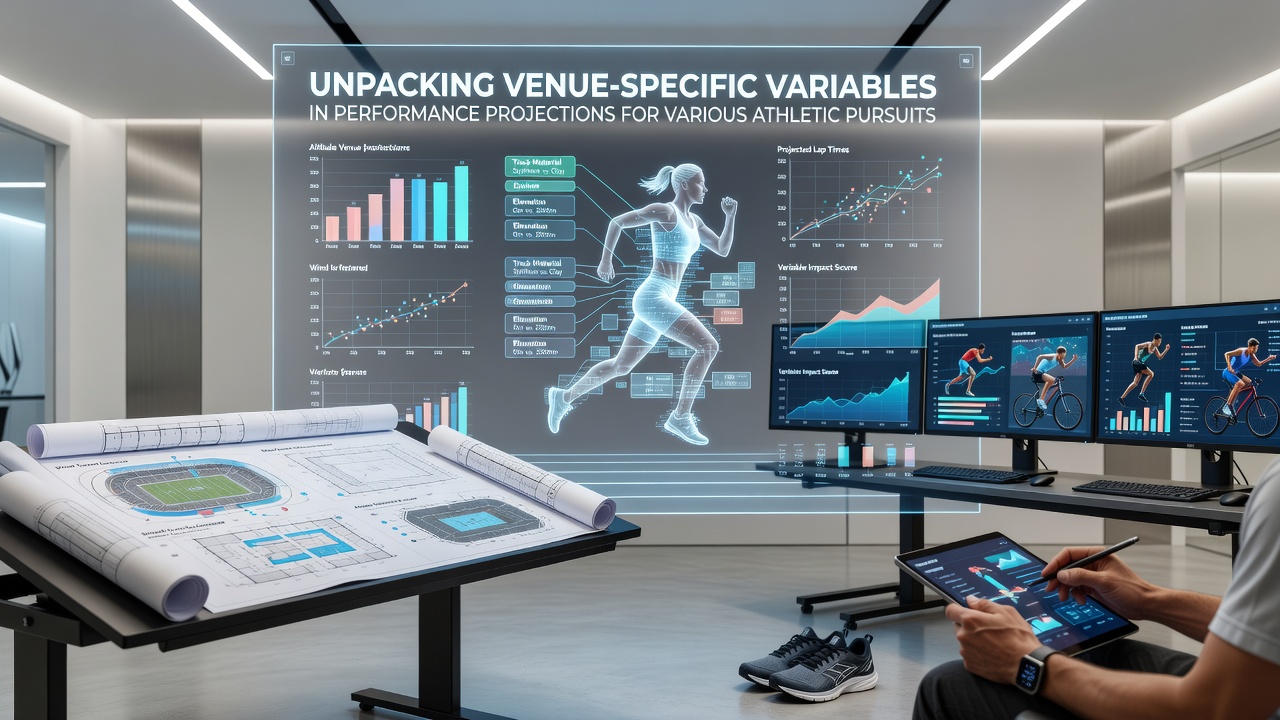
Examining Location-Dependent Elements in Athletic Performance Forecasts Across Disciplines
Venue-specific variables shape performance projections in ways that extend beyond basic training data, and researchers continue to refine models that account for these influences in sports ranging from track and field to team competitions. Data from multiple athletic organizations show how factors like elevation, surface composition, and atmospheric conditions alter expected outcomes, while analysts integrate these elements into forecasting systems used by coaches and scouts alike.
Altitude Effects on Endurance and Power Metrics
High-altitude venues create measurable shifts in oxygen uptake and recovery rates, with studies indicating that athletes experience up to a 10-15 percent reduction in aerobic capacity above 1,500 meters. Researchers at institutions tracking endurance events note that sprinters may gain slight advantages from thinner air reducing drag, whereas distance runners face greater challenges in maintaining pace. Projections for events scheduled through August 2026 incorporate these adjustments, drawing on historical records from competitions held in elevated regions to calibrate expected results more precisely.
Equipment adjustments also factor into these calculations, as teams modify training regimens weeks in advance to simulate lower oxygen environments. Observers have documented cases where cyclists and rowers adjust power output thresholds based on venue elevation data compiled by sports science groups.
Surface Composition and Its Influence on Movement Patterns
Playing surfaces vary significantly across venues, and performance models now include coefficients for friction, bounce, and shock absorption that differ between grass, clay, synthetic tracks, and indoor courts. Tennis tournaments demonstrate clear patterns where ball speed and player movement change according to court material, with data from governing bodies showing variations in rally lengths that affect point-win probabilities. Similar dynamics appear in football and basketball, where field hardness influences injury rates and sprint acceleration times recorded in league statistics.
Climate and Weather Integration in Projections
Temperature, humidity, and wind patterns introduce additional layers of variability, prompting analysts to cross-reference meteorological records with performance databases. Hot and humid conditions accelerate fatigue in prolonged events, while cold weather can stiffen muscles and reduce joint mobility. Projections for outdoor pursuits therefore blend venue-specific climate averages with real-time forecasts, allowing for refined estimates of stamina thresholds during competitions held in diverse geographic zones.

Crowd Dynamics and Acoustic Variables
Home-field advantages stem partly from crowd noise levels and proximity to the playing area, with acoustic studies revealing how decibel ranges influence referee decisions and player concentration. Data collected across professional leagues indicate that teams perform differently when traveling to venues known for intense spectator environments, and projection algorithms now weight these factors alongside travel distance and time-zone adjustments. International federations compile such metrics to support consistent evaluation across global events.
Those who've examined multi-sport datasets find that racing circuits present unique challenges, where track banking angles adn barrier materials alter vehicle handling projections in motorsports. These elements combine with altitude and temperature to produce compound effects that forecasters must isolate in their models.
Case Examples from Diverse Athletic Contexts
One study from the Australian Institute of Sport examined how venue humidity altered hydration strategies and subsequent performance times in swimming meets, while Canadian research groups tracked similar variables in winter sports held at varying snow densities. European athletic associations have contributed datasets on indoor arena acoustics and their correlation with shooting accuracy in archery and biathlon events. Such cross-regional inputs strengthen projection accuracy by highlighting patterns that single-venue analyses might overlook.
Projections for upcoming seasons increasingly rely on machine-learning approaches that process these venue inputs alongside athlete biometric readings, creating individualized forecasts that adapt as conditions change. Government health agencies in several countries supply supporting environmental data that feeds into these systems, ensuring models reflect verified atmospheric and geographic realities.
Conclusion
Venue-specific variables continue to refine performance projection methodologies across athletic pursuits, as organizations integrate elevation, surface, climate, and crowd factors into increasingly sophisticated frameworks. Continued data collection from competitions worldwide supports more accurate forecasts that account for the distinct characteristics each location imposes on competitors.